
Recycling - what is it and how does it affect the environment?
2 August 2022
Rapidly dwindling environmental resources and pollution have given rise to the idea of recycling. It provides a simple way for everyone to help nature. What does the term recycling mean? Why is it such an important activity? It is worth knowing the answers to these questions!
Recycling - what is it and what is the recycling process?
Recycling is a term derived from the English language (recycling). It can be translated as recirculation, i.e. the circulation and reuse of rubbish. The guiding principle is to try to recycle as much as possible of the items that are thrown away in rubbish bins. This is also how recycling differs from recovery. This process does not involve the use of raw materials to make new goods, but the use of already existing products for the same purpose.
In order to explain what is recycling and what is recovery, it is useful to use examples. Recycling waste is, for example, the conversion of paper packaging into card. Recycling, on the other hand, is the collection of bottles to be washed and refilled in a beverage bottling plant.
The importance of recycling - why separate and recycle?
The advantages of recycling have been recognised by the authorities of many countries and global organisations. Segregation of raw materials is supported by the European Union, among others. This pro-ecological attitude not only promotes the rational use of environmental resources. Recycling of rubbish has a beneficial effect on the health of a country's citizens. What is more, it also brings economic benefits.
An example that shows how recycling affects the environment is the use of paper. This material is used in huge quantities to produce notebooks, books, packaging and so on. The great demand for wood therefore requires whole forests to be cut down.
By reusing this plastic, it is possible to reduce the rate of tree felling. The more of them there are, the more carbon dioxide they convert into vital oxygen. Thus, the objectives of recycling, such as optimal use of resources and improving the health of the area's inhabitants, are met.
To further raise awareness of what recycling means for nature, it is worth mentioning greenhouse gas emissions. Plastic production is very harmful to the environment. It cannot do without the refining of crude oil. This is how paraffin is produced. This is the key ingredient in plastics. The manufacture of this material contributes millions of tonnes of toxic greenhouse gases to the atmosphere every year.
In doing so, it is important that everyone makes a contribution to environmental protection. This applies not only to individuals, but also to companies. An example of responsible treatment of nature can be found at InPost. The company encourages customers to reuse packaging for their parcels. 
What influences the profitability of recycling?
The importance of recycling for the economy of countries is increasing. Reducing the production of raw materials and processing existing ones saves electricity and heat. Reducing its consumption allows companies to maximise profits. As a result, they are able to create new jobs, contributing to economic growth.
An example is the segregation of glass. Reusing cullet allows the glassworks to reduce expenses by up to ⅓. The benefits of reusing raw materials are ultimately felt by consumers. Lower production costs for goods translate into lower prices. The cost-effectiveness of recycling is also enhanced by discounts for companies that use the waste to manufacture their products.
What does recycling look like?
The advantages of recycling have contributed to their systemic promotion. Recycling is now a cornerstone of municipalities' municipal economy. Nowadays, in many parts of the world, authorities mandate that bins be placed for different types of materials. Despite this, there are many people who do not know what recycling is for. They claim that all rubbish ends up in one container of the rubbish truck anyway.
Is this true? Fortunately, no. Containers of segregated waste are usually taken out on different days of the week. It can also happen that several types of waste are taken away by one vehicle. Even in this case, however, the materials do not mix. The rubbish trucks are equipped with several compartments into which each raw material goes separately. 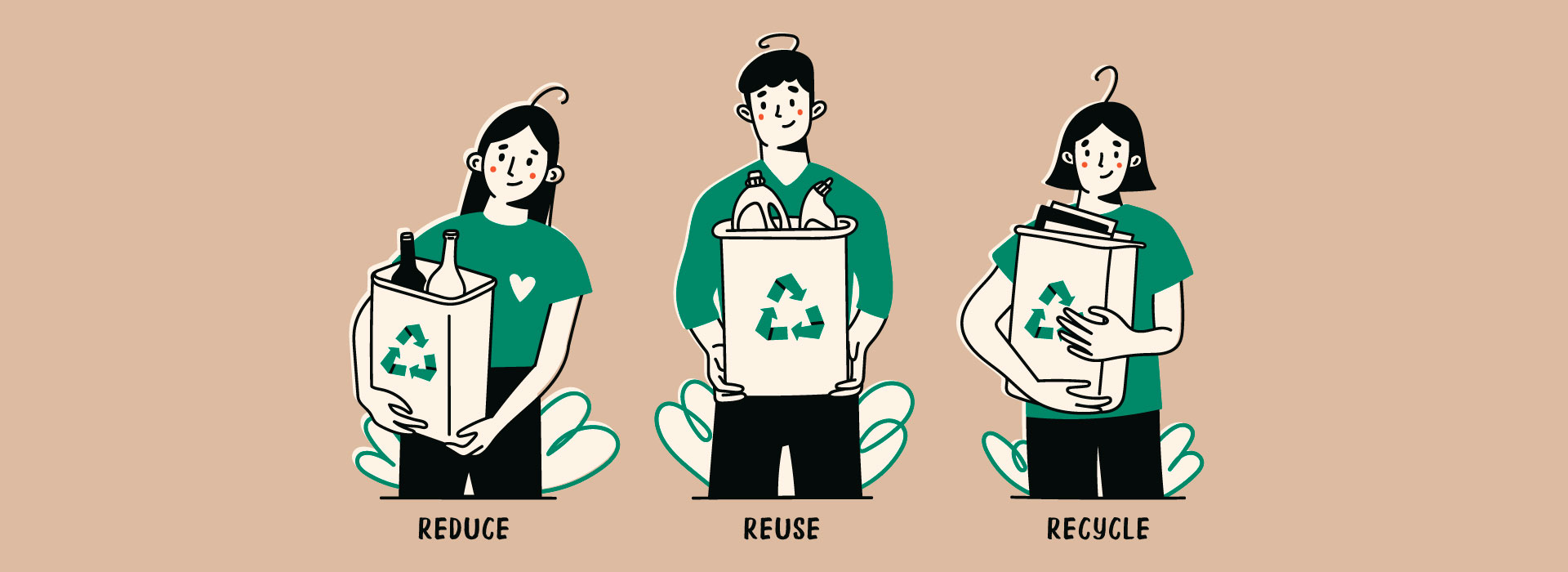
Which materials are recycled?
The recycling process now allows some materials to be recycled. Paper, plastic and glass can be reused. Importantly, not all things made from these materials are recyclable.
In the case of paper, a new product can be made from office paper, notebooks and books, as well as clean packaging such as cartons from electronic devices. PET plastic bottles, clean plastic containers, films and nylon bags are also recyclable materials.
Aluminium beverage cans and glass jars and bottles should also be sorted. Bio-waste is also being used more and more these days. What is the result of recycling grass cuttings and leaves? Compost, which is a great natural fertiliser for the lawn in a home garden or allotment.
Everything that is recyclable should be put in the appropriately labelled waste bins. The blue containers are for paper. The green bins are for both white and coloured glass. Yellow bins are for throwing in plastic and metal packaging. The containers for biomass recycling are brown.
Which raw materials are not recyclable?
It is important to remember what is recyclable and what is not. You cannot separate dirty paper, wallpaper, hygiene products, foiled paper, food and drink containers and cups. Amongst other things, syringes, oil bottles and metal paint cans should not be put in the plastic container. Some glass products such as table and heat-resistant glass as well as mirrors and ceramics are also not suitable for recycling.
Information stickers on the bins will help you to identify what can be thrown into a particular bin. The aforementioned (and other products) that cannot be recycled should be disposed of in the black bin for mixed waste. However, they are not used for everything either. Used electronics and bulky waste (e.g. furniture) should be taken for disposal at special points. Some of these are carts that collect this type of thing at specific locations and on specific days. 
Recycling - what types are there?
Recycling is divided into four types. Two of them - raw material and material - involve producing new things from used products. The first is the transformation of waste into its original form. An example of this is a plastic bottle from which plastic mass is made again. Thus, it is a prelude to material processing. Subsequent recycling steps produce another object from plastic, such as a breakfast container.
The other types of recycling are thermal and organic. In the first case, it is the generation of heat energy through the combustion of raw materials that cannot be recycled. Organic recycling is nothing more than using bio-waste as compost.
Knowing what recycling is allows you to add your contribution to a cleaner and healthier environment. For this reason, it is worth educating people about waste separation and supporting companies that recycle waste. After all, recycling is for the good of everyone.