
Is home ecology difficult to implement?


26 October 2022
Greening the home is something that environmentalists around the world are calling for. In order to change the course of the planet's destiny, you need to start with your own households. Find out what you can do in your own home, what green solutions work best, why you should go green and whether it is difficult!
Ecology in the home - how to implement it?
Going green in everyday life is the first step to acting for the good of the planet. Implementing environmentally friendly behaviour is easier than you think. A lot depends on changing habits and realising how small actions repeated many times can have a strong impact on the environment. However, a green home is not only about the behaviour of its occupants, but also about the heating or energy systems they use, which play a big role in minimising the production of greenhouse gases.


Green solutions for the home and subsidies from government programmes
Green home solutions are quite costly, but there are quite a few opportunities for subsidies from government programmes. Some of these cover homes built from scratch, and some will also work well for changes to existing buildings. Subsidies include installing photovoltaic panels or replacing coal cookers. To apply for a subsidy, you need to submit a suitable application, for example via the government website.
Ecology in the home - photovoltaics, heat pumps
Photovoltaic panels and heat pumps are currently the most common ways to power a home with green energy. Photovoltaics is a system for converting solar radiation into electrical energy. The phenomenon occurs on special panels, which are usually fixed to the roof of a building. The current obtained on the panels travels to an inverter and becomes alternating current from direct current. As well as the energy then going into the house, the excess is fed into the electricity grid. Until some time ago, in the event of a future power shortage, a householder could draw power from here. Currently, the grid no longer serves as storage, but so-called net-billing applies. The electricity is converted into a monetary value and the final photovoltaic bills are based on the difference in value between the energy produced and that consumed.
You already know how to go green at home with photovoltaic panels, so it's time to explain what a heat pump is. This device takes energy from, for example, the ground or the air and, using special mechanisms inside, transforms it into energy that can be used to power a building. A heat pump can both heat and cool a home. In order to supply the required energy to the house, electricity is needed. The biggest advantage of a heat pump is that it draws its own energy from the natural environment. It does not need to be supplied with coal, wood or gas. 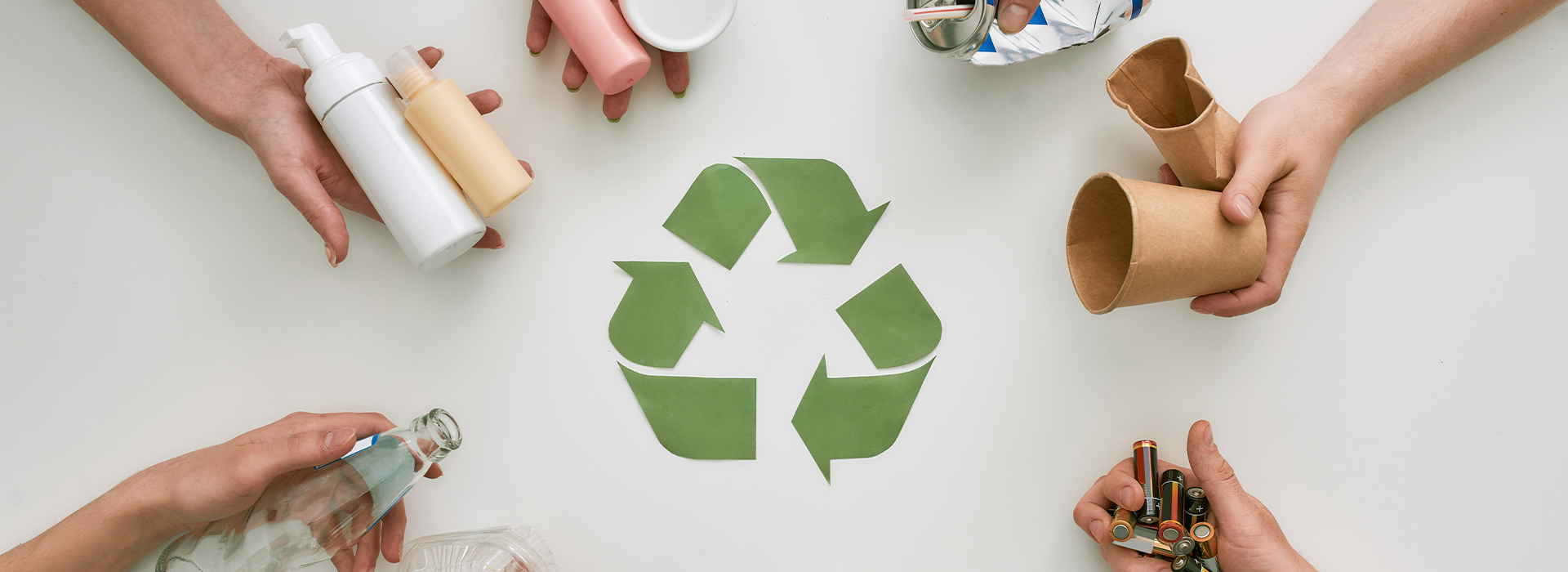
Everyday life and home ecology - saving water, electricity and waste production
An eco-friendly lifestyle is also important in every home. How can you be more eco-friendly in your own home? First and foremost, you need to save water, electricity and waste, as well as introduce better habits such as eating out. There are many ways to save water. If you have a garden, be sure to collect rainwater to water your plants. Turn off the water when brushing your teeth, use the dishwasher, take a shower instead of a bath. Touchless faucets on taps that only release water when they detect hand movement are great. It's also a good idea to install flush toilets with adjustable flush volumes.
Saving electricity involves, for example, using energy-efficient light bulbs, switching off lights when they are not needed and only running the washing machine when it is full. The production of rubbish is linked to everyday habits, including those when shopping. If you go shopping, be sure to take your own bag with you to avoid extra plastic in the form of commercials. Buy fruit and vegetables sold in bulk and do not pack them in plastic bags. You can use cloth bags or buy completely without them.
How to be green at home through habits? Use reusable drinking straws, such as those made of metal. Limit your meat consumption, as animal farms have a huge impact on the production of greenhouse gases. Segregate your rubbish so that even plastic packaging gets a second life through recycling. Think about changing your car for an electric one and opt for bicycles or public transport more often. You will also find it useful to compost your bio waste in the garden.
Why incorporate green solutions into your home?
You already know what green is, how to take care of the environment in your home and what to do to make your household more eco-friendly. It's time to think about why you should care about ecology. We are currently facing global warming, which is caused by human activity. The planet is under threat from rising sea and ocean levels, shortages in drinking water supplies, extinctions of various animal or plant species and major weather anomalies. Only our actions can halt these processes. To protect the health and lives of future generations, as well as ourselves, we must fight for the well-being of our planet. Try to introduce at least a few new habits for the good of the atmosphere.