
Ecology for children, or how to teach the youngest about environmental protection
10 December 2022
Ecology for children is a very important topic in terms of current climate change. The young generations are the future of the Earth and it is in their hands that the fate of our planet lies. Protecting the environment is something that children need to learn and understand why it is so important. We explain why it is necessary and how best to explain ecology to the youngest.
Ecology for children - why is it important?
Ecology - the definition for children is that it is the science that studies all nature around us. Ecologists are concerned with nature and this is the best way to explain to a child what ecology is. Scientists study all plants, animals and where they live to learn about their behaviour, structure and changes. Creating environmental awareness among children is extremely important. Parents should implement eco-friendly behaviour and habits at home, so that the child learns from a young age how to act to live in harmony with nature.


Why is this important? Climate catastrophe is fast approaching. We are dealing with global warming and weather anomalies are becoming more frequent. Rising water and ocean levels could one day completely cover London or Miami, for example. Drought and drinking water shortages are a big problem. As a result of climate change, some animal species are migrating and still others are facing extinction. This is why it is so important to explain what ecology means to children and to teach the youngest ones environmentally friendly behaviour.
From when to teach children about ecology?
When is the best time to explain to a child what ecology is and to start building in them an awareness of their relationship with nature? It is a good idea to start building a relationship with nature from a toddler's early years. It is very important for your child to have contact with nature - go for walks with them, play outside and spend a lot of time outdoors. Your preschooler is bound to ask questions about the plants or animals around him, which has a strong influence on strengthening his relationship with nature.
Small gestures and behaviours, or ecology in children's lives
What is ecology for children? It is all the habits they observe every day at home or school. If a parent segregates rubbish at home, the child will learn that it is important to do so. When segregating, explain to children why it is important. It is a good idea to pack the little ones' sandwiches for school in reusable waxworms and give them drinks in a thermos or a reusable bottle. It is also necessary to explain the importance of saving water, for example when brushing teeth or bathing. If you live in the countryside or have your own allotment, it is a good idea to involve your toddler in gardening and to describe to him the vegetables or fruit around him.
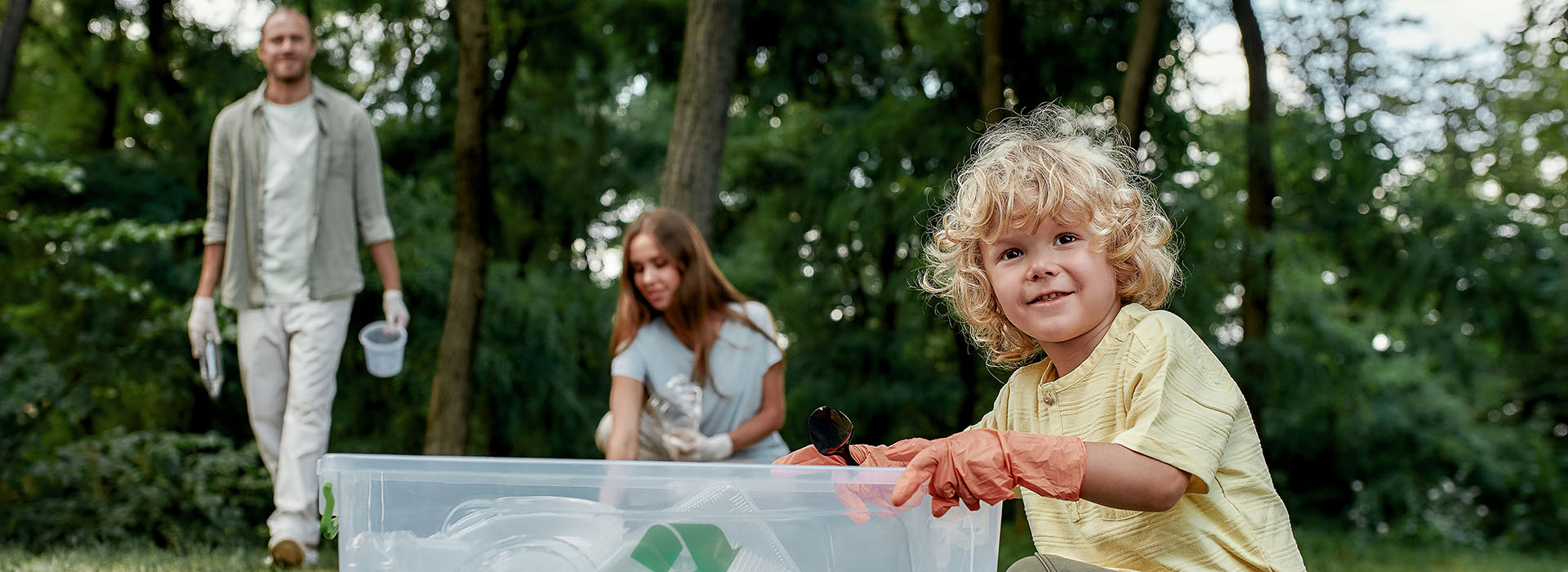
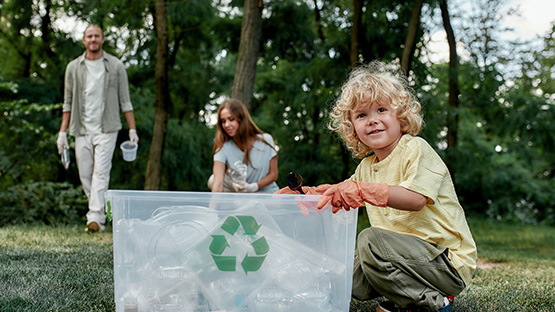
Caring for the environment also means avoiding driving. Cycling trips are an excellent way both to spend time with a slightly older child and to get to the shop or kindergarten. Children's workshops are also currently popular. Ecology is a very broad topic, which can also be explored through games or group activities such as cleaning up the world. It is also a good idea to organise ecological experiments for children, such as melting ice. You can find many examples of such experiments on the Internet, but they are also arranged during school classes or at environmental workshops and picnics.
Ecology for children - what sources to use for learning?
Educational materials for children can be useful for adults to learn about an ecological lifestyle. Ecology is the subject of many scientific papers, on the basis of which a lot of instructions on how to care for the environment have been written. Children may find age-appropriate environmental books particularly valuable. They will learn about the world around us in an easy and accessible way and increase their environmental awareness.
Ecology for children - segregating waste, workshops with peers, saving water and reusable breakfast are just a few examples of the presence of ecology in the lives of little ones. Remember, if you want to raise your child's awareness of ecology, it is a good idea to start with your own actions towards the environment on a daily basis.